
Swapping Coffee For Tea!
- Feb 22, 2023
- 8 min read
Updated: Mar 25

Congratulations on making the healthy choice of switching from coffee to tea! Making the switch can have positive effects on your overall health and well-being. Tea has many health benefits, including being packed with antioxidants and helping reduce stress. To make the transition easier, why not start by having both coffee and tea every day? You can gradually reduce the amount of coffee you drink while increasing the amount of tea until you're drinking only tea.
There are wide different varieties of teas to choose from, so it's important to find one you enjoy. From herbal teas to green teas to black teas, you can experiment with different flavors and blends to find the one that is right for you. Make sure to take time and learn how to properly brew your tea to get the best flavor and the most health benefits. How to pick the right tea for you
Choosing the right tea for you can be a daunting task! Here are some tips to help you find your perfect cup of tea:

Think about the flavors that you like. If you prefer sweet flavors, try teas like chamomile, ginger, and mint. If you like spicier flavors, experiment with masala chai, lapsang souchong, and Earl Grey.
Consider the time of day. If you're looking for a morning pick-me-up, try a black tea like English Breakfast or Assam. If it's late in the day, consider a calming herbal tea.
Consider the health benefits. Different teas offer various health benefits, such as aiding digestion and boosting the immune system. If you're looking for a particular health benefit, research the various types of tea to find the one that's right for you.
Experiment. Don't be afraid to try different types of tea to find the one you like best. You may find that you enjoy a variety of teas, depending on your mood or the time of day.
What are the various types of tea?
Some of the most popular types include green tea, black tea, white tea, herbal tea, oolong tea, rooibos tea, and chai. Each of these teas has its own unique flavor profile and health benefits. Green tea is known for its antioxidant properties, black tea for its energizing effects, white tea for its delicate flavor, herbal tea for its natural healing properties, oolong tea for its calming effects, rooibos tea for its naturally sweet flavor, and chai for its warming spices.


Black Tea
Black tea is a type of tea that is made from the Camellia sinensis plant. It is fully oxidized before it is dried, giving it a deep, rich flavor and color. Black tea is often enjoyed as a hot beverage but can also be consumed chilled or used to make kombucha or other tea-based beverages. Black tea contains caffeine and has been associated with various health benefits, such as improved heart health, weight loss, and improved cognitive function. It is also a rich source of antioxidants and has been linked to reducing the risk of certain types of cancers. Black tea is the most widely consumed type of tea worldwide and is popular among many cultures.
Each type has its own unique flavor profile and characteristics. Some of the most popular types of black tea include:

English Breakfast Tea
Earl Grey
Darjeeling
Assam Tea
Lapsang Souchong
Keemun
Ceylon
English Breakfast Tea
English breakfast tea is a type of black tea blend that is commonly enjoyed in the United Kingdom. It is traditionally served with milk and sugar and is often associated with a full breakfast. It is a blend of different varieties of black tea, such as Assam, Ceylon, and Kenyan teas. It has a slightly malty flavor and is generally a bit stronger than other black tea varieties.
Earl Grey
Earl Grey is a black tea flavored with bergamot, an Italian citrus fruit. It is one of the most popular tea varieties in the world and is often served with a slice of lemon. It has a distinctively rich, aromatic flavor and is known to have both energizing and calming effects.
Darjeeling Tea
Darjeeling tea is a type of black tea grown in the Darjeeling district of India. It is known for its unique flavor and aroma, which is highly sought after in the tea world. It is known for its bright and floral notes, with a hint of muscatel and spice. It is usually enjoyed as a hot beverage, either on its own or with milk and sugar.

Assam Tea
Assam tea is one of my favorite types of tea. It is a type of black tea grown in the Assam region of India. It is known for its full-bodied, malty flavor and is often used in blends or enjoyed on its own. Assam tea is a popular morning beverage in India and has recently become popular in the West. It is known for its high caffeine content compared to other types of black tea.

Lapsang Souchong
Lapsang Souchong is a Chinese black tea known for its unique smoky aroma and flavor. The tea is traditionally made by drying Camellia sinensis over pinewood fires. The smoke from the fires infuses the tea leaves with its distinct smoky flavor. It has a strong, robust flavor and is often used as a base for flavored teas.

Keemun
Keemun tea is another Chinese black tea with a rich and distinct flavor profile. It is grown in Anhui province, China, and is known for its unique aroma and sweetness. It is one of the most popular Chinese black teas and is often used in tea blends. Keemun tea has a deep reddish-brown color and a smooth, mellow flavor with hints of sweet, smoky, and floral notes. It is also known for its health benefits, such as reducing cholesterol levels and aiding digestion.

Ceylon
Ceylon is a tea grown in Sri Lanka known for its sweet and flavorful taste. It is made from the leaves of the Camellia Sinensis plant and is a popular beverage in many parts of the world. Ceylon tea is known for its antioxidant and health benefits and is an excellent choice for those who want to improve their overall wellness.
Green Tea
There are many different types of green tea available, each with its own unique taste and health benefits. Popular types of green tea include matcha, sencha, gyokuro, and bancha.

Matcha Tea
Matcha tea is a green tea made from finely ground powder of specially grown and processed green tea leaves. It is special in two aspects of farming and processing: the green tea plants for matcha are shade-grown for three to four weeks before harvest, and the stems and veins are removed during processing. The result is a intensely flavored and highly concentrated green tea that is rich in antioxidants and has a unique, sweet taste.
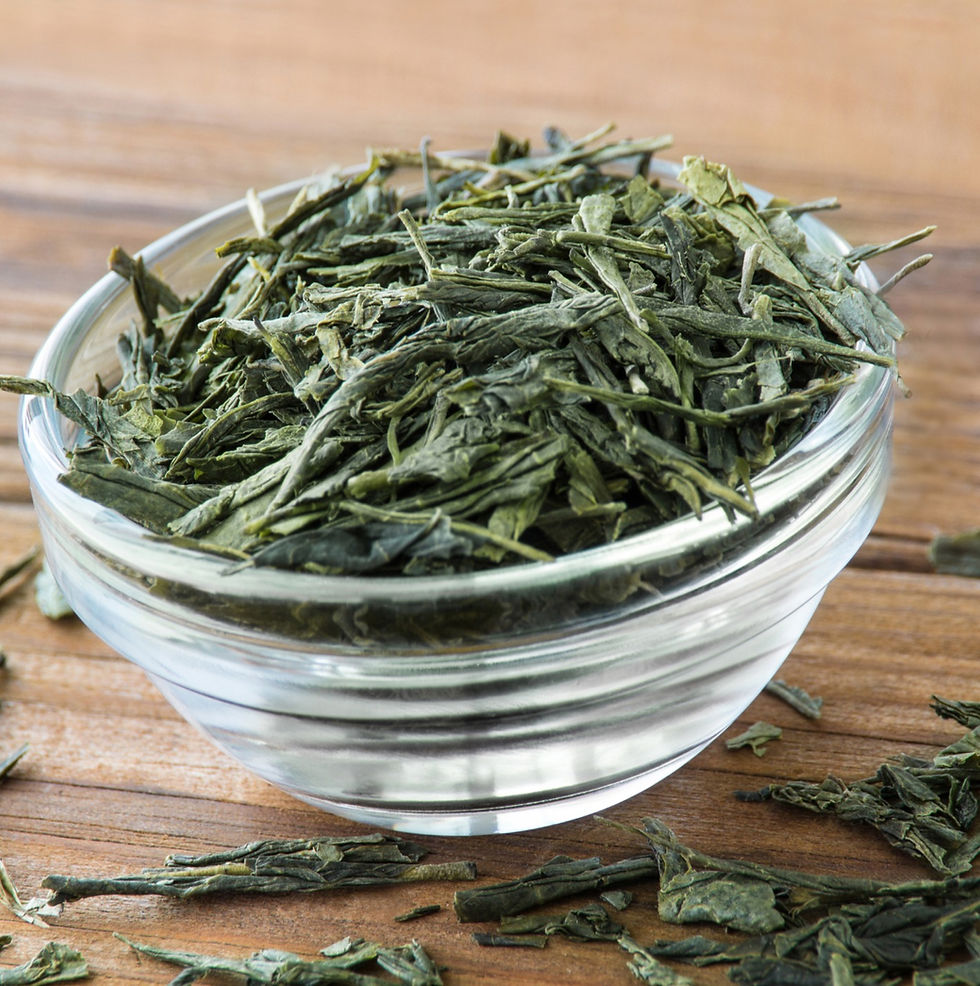
Sencha
Sencha tea is Japanese green tea made by steaming and drying the tea leaves. It is one of Japan's most popular types of tea and has a mild, slightly sweet flavor. It is often served with meals and is known for its health benefits. It contains antioxidants, vitamins, and minerals that can help promote healthy digestion, boost the immune system, and provide a calming effect.

Gyokuro
Gyokuro is a Japanese green tea made from shade-grown leaves harvested from the top of the tea plant. The shaded environment encourages the plant to produce more chlorophyll and amino acids, resulting in a sweeter, more delicate flavor than other types of green tea. Gyokuro is usually brewed at a lower temperature and for a more extended period of time than other green teas and is often served cold as a refreshing summer beverage.
Bancha
Bancha is a type of Japanese green tea made from the leaves of the Camellia sinensis plant. It is harvested later in the season than Sencha, and is considered to be a lower grade of green tea. Bancha is characterized by its light, slightly-sweet flavor, and low caffeine content. It is often served after meals and is said to aid digestion.
White Tea
White tea is one of the most delicate and subtle varieties of tea. It is made from the delicate buds and young leaves of the Camellia sinensis plant. It is harvested earlier than other teas and minimally processed, producing a delicate flavor and aroma. White tea is known for its health benefits, which include reduced risk of heart disease, improved oral health, and anti-aging properties. It is often considered to have the highest antioxidant content of any tea, making it an excellent choice for those looking to improve their overall health. When brewing white tea, it is best to use water that is just below boiling. This will help to bring out the delicate flavor and aroma of the tea without over-extracting the leaves. White tea can be enjoyed plain or with a bit of honey or lemon.

Several types of white tea exist, including Silver Needle, White Peony, Long Life Eyebrow, and White CTC. Silver Needle is considered the highest grade of white tea and is made from only the tips of the Camellia sinensis plant. White Peony is made from two leaves and a bud and is slightly more robust in flavor than Silver Needle. Long Life Eyebrow is a mix of two leaves and a bud, and has a more full-bodied flavor than White Peony. Finally, White CTC (Cut-Tear-Curl) is a white tea made from chopped tea leaves, and is the least expensive type of white tea.
Herbal Tea
Herbal teas, also known as tisanes, are non-caffeinated teas made from an infusion of herbs, spices, fruits, and other plants. They have been used for centuries as a natural remedy to promote health and well-being. There are many different types of herbal teas, each with its own unique flavor and health benefits. Some of the most common herbal teas include chamomile, ginger, mint, lemon balm, fennel, and hibiscus.
Herbal teas are naturally caffeine-free, so they are an ideal choice for those looking for a relaxing, caffeine-free beverage. In addition to being a great source of hydration and relaxation, herbal teas can also help to improve digestion, reduce inflammation, boost immunity, and promote sleep. Because of the wide variety of herbs used to make herbal teas, they can also be used to treat various ailments, including headaches, colds, indigestion, and nausea. Herbal teas are a great choice for those looking for a healthy and flavorful beverage.

How to choose the right herbal tea?
Choosing the right herbal tea does not have to be overwhelming! Here are a few tips that can help you decide which herbal tea is right for you:
Consider what type of flavor you're looking for. A wide variety of herbal teas are available, ranging from fruity and sweet to earthy and nutty. Take the time to think about what flavor you're looking for, and then look for teas that offer that flavor.
Think about what benefits you're looking for. Different herbs offer different health benefits. If you're looking to improve your digestion, for example, you might want to look for teas with ingredients such as ginger, peppermint, or fennel.
Read the labels. Be sure to read the labels of any herbal teas you're considering to make sure you know exactly what you're buying. Check for the origin of the herbs, the quality of the product, and any other information that might be relevant.
Ask for advice. If you're still unsure which herbal tea is right for you, don't be afraid to ask for advice from someone knowledgeable about herbal teas. Your local health store, herbalist, or tea shop should be able to give you some great advice!
On that final note, I wish you good luck on your journey to becoming a tea enthusiast!


Comments